Origins and Early Use (1868–1898)
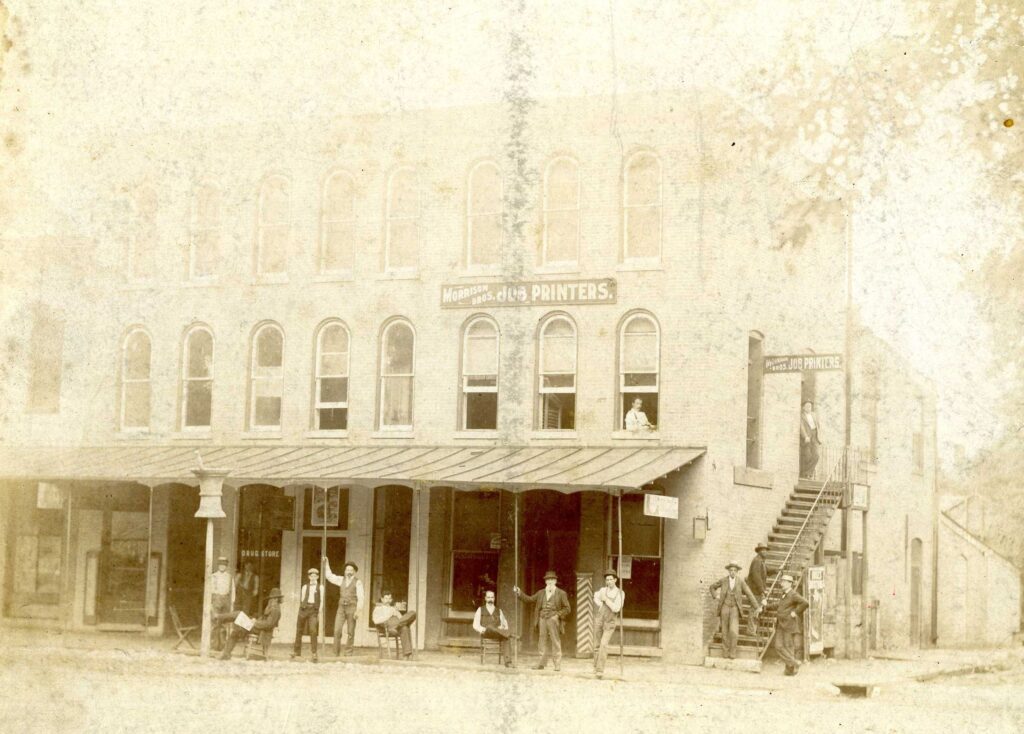
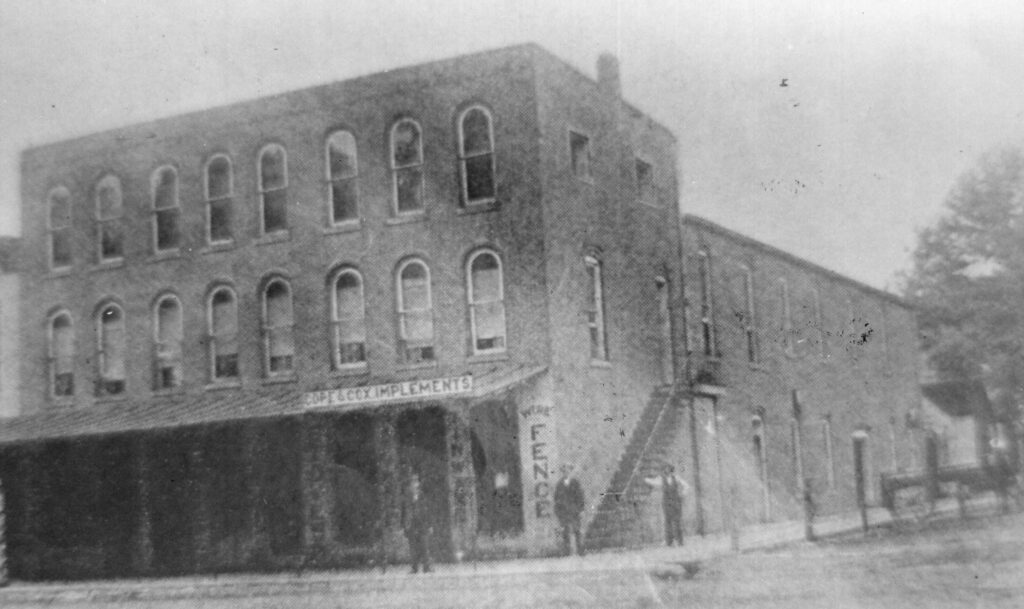
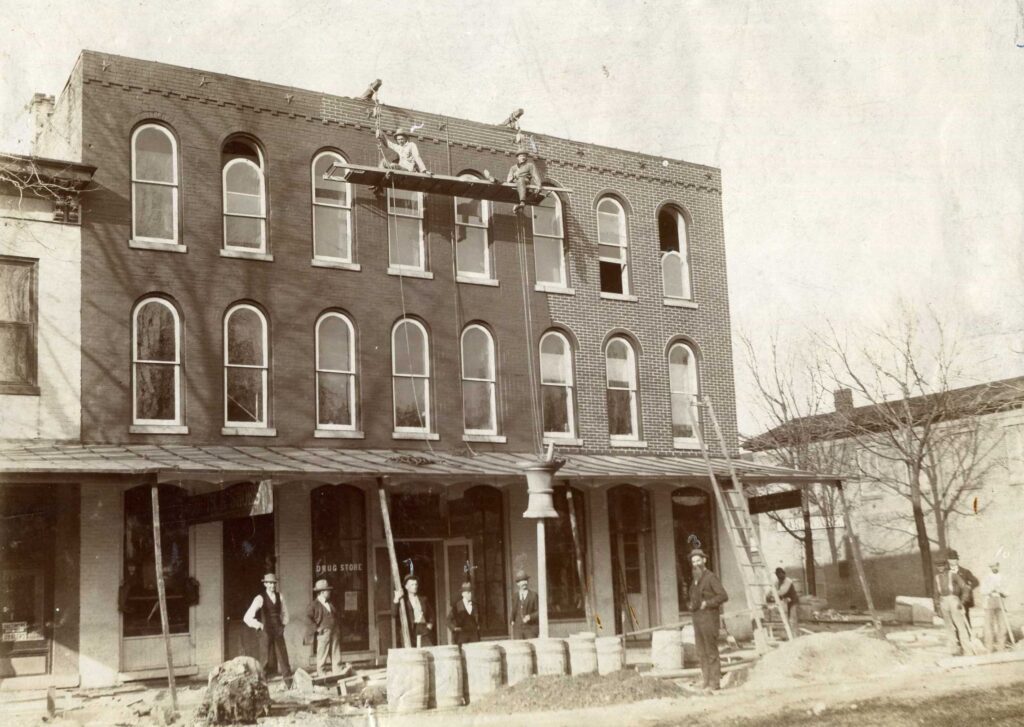
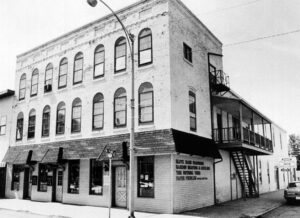
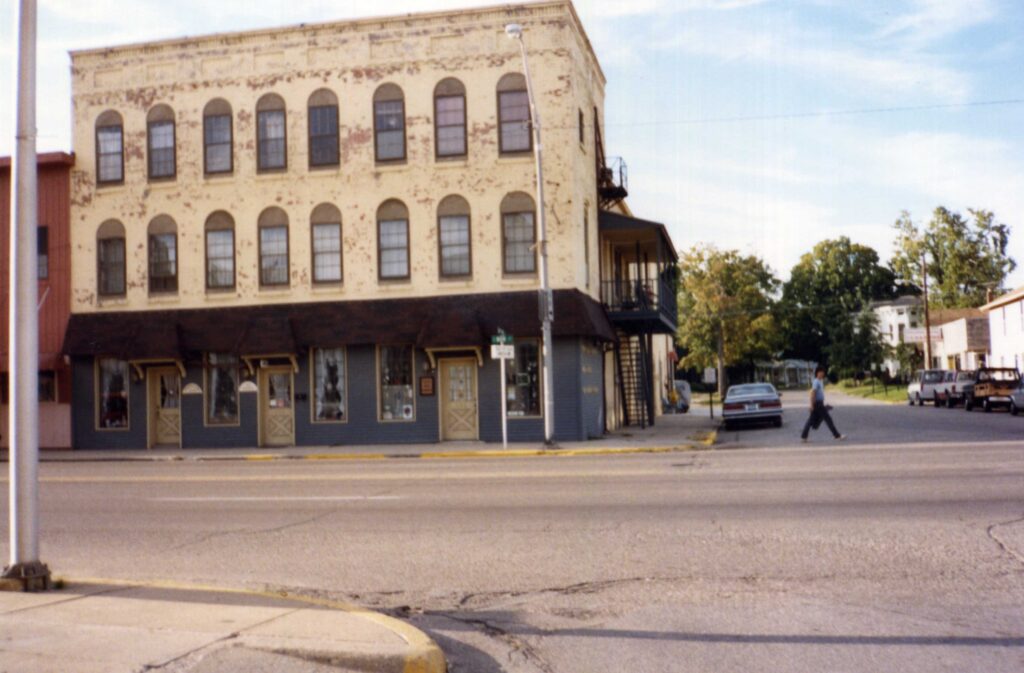
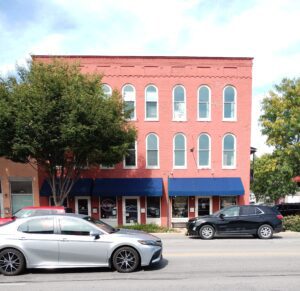
Constructed around 1868 by Moses Tomlinson, the three-story brick structure at 104 West Main Street has long stood as a commercial anchor in Plainfield. Owned variously by Moses, his brother Ebenezer Tomlinson, and partner John Fuller, the building housed an eclectic mix of early businesses.
- Moses operated his photography studio in the building.
- Ebenezer ran a general store/dry goods business and established Tomlinson and Company Bank in the west room in 1881.
- By 1886, it housed a dry goods store, printing company, drug store, and post office.
- In 1888, William Lewis, Jr., opened the first of many hardware stores in the building—a use that would define its commercial identity for decades.
Hardware and Tenants (1898–1920)
- In 1898, Lewis purchased the property from Ebenezer Tomlinson but sold his hardware store by 1900 due to health issues.
- Dr. James Cope and Prof. J. Freeman Cox bought the business and operated it under various names, with Cope remaining the central figure.
- During this time, the Keeley Institute moved out, and the telephone exchange and furniture store took over the second floor.
- Notably, a colorful incident occurred in 1913 when Moses Tomlinson entered the hardware store on horseback, examined a rope, and left without comment or purchase.
The Symons Hardware Era (1920–1958)
In 1920, Charles and Hattie Symons purchased the building and moved their hardware store (founded in 1916) into it.
- Dry cleaners such as E.L. Shaw and C.K. Marley rented portions of the building in the 1920s.
- A dramatic moment occurred in 1923 when a stuntman known as “The Human Fly” climbed the façade to promote Racine tires and Hudson cars.
- In 1925, a fire scare triggered by soot in a boiler flue prompted a false alarm and large crowd.
Charles fell ill in the early 1930s, and his son LaRue Symons took over. He:
- Converted the second floor into apartments.
- Added a furniture annex at 119 North Vine Street in 1949.
- Renovated the main floor in 1955, creating a large open space.
Tragically, in 1958, LaRue was murdered during a robbery by a recently hired drifter, Roland Butler, who was later sentenced to life in prison.
From Furniture to Pie – Mid-Century Shifts (1958–1980s)
Following LaRue’s death:
- Western Auto briefly operated in the space during the early 1960s.
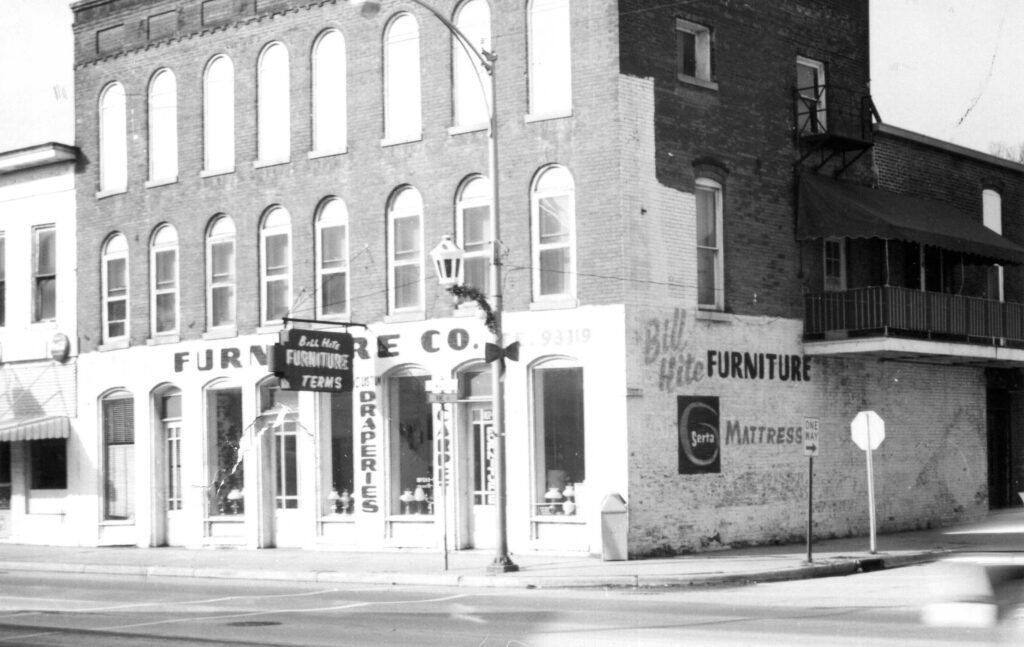
- Bill Hite Furniture moved in by 1965.
- In 1971, Charles and Mary Hardin bought the building from the bank, moving in Hardin Heating and Cooling.
New tenants in the 1970s included:
- Elite Hair Fashions – remained for two decades.
- Edna’s Pie Shop (1971–1975) – A local favorite known for a wide variety of pies and beloved by the town’s policemen.
- The Nutmeg Tree (opened 1975) – A successful handmade decor and gift shop that expanded after Edna’s Pie Shop closed in 1976.
Transition to Modern Tenancy (1990s–2021)
After a period of turnover in the 1990s, ownership changed hands:
- 2001: Brian and Jill Paetow purchased the building.
- 2011: Sold to Jill Jackson.
- 2021: Acquired by JP Management.
Notable tenants in the modern era:
- Oak Accents
- Ribble’s Maytag Service
- Vining’s European Shoppe and Salon
- Corner Shop
- Hoosier Boy Antiques and Fine Collectibles
- Attorney Melinda Jackman’s office
- Art on Main
- Honeycomb Studio Salon (as of 2021)
For a more detailed history of this building, be sure to check out Sarah Wright’s book, 50 Historic Buildings of Plainfield, Indiana, available for check-out or purchase.